

 X (ex Twitter)
 Facebook
 Linkedin
WAVES OF LIGHT
with Paul Lay Trio
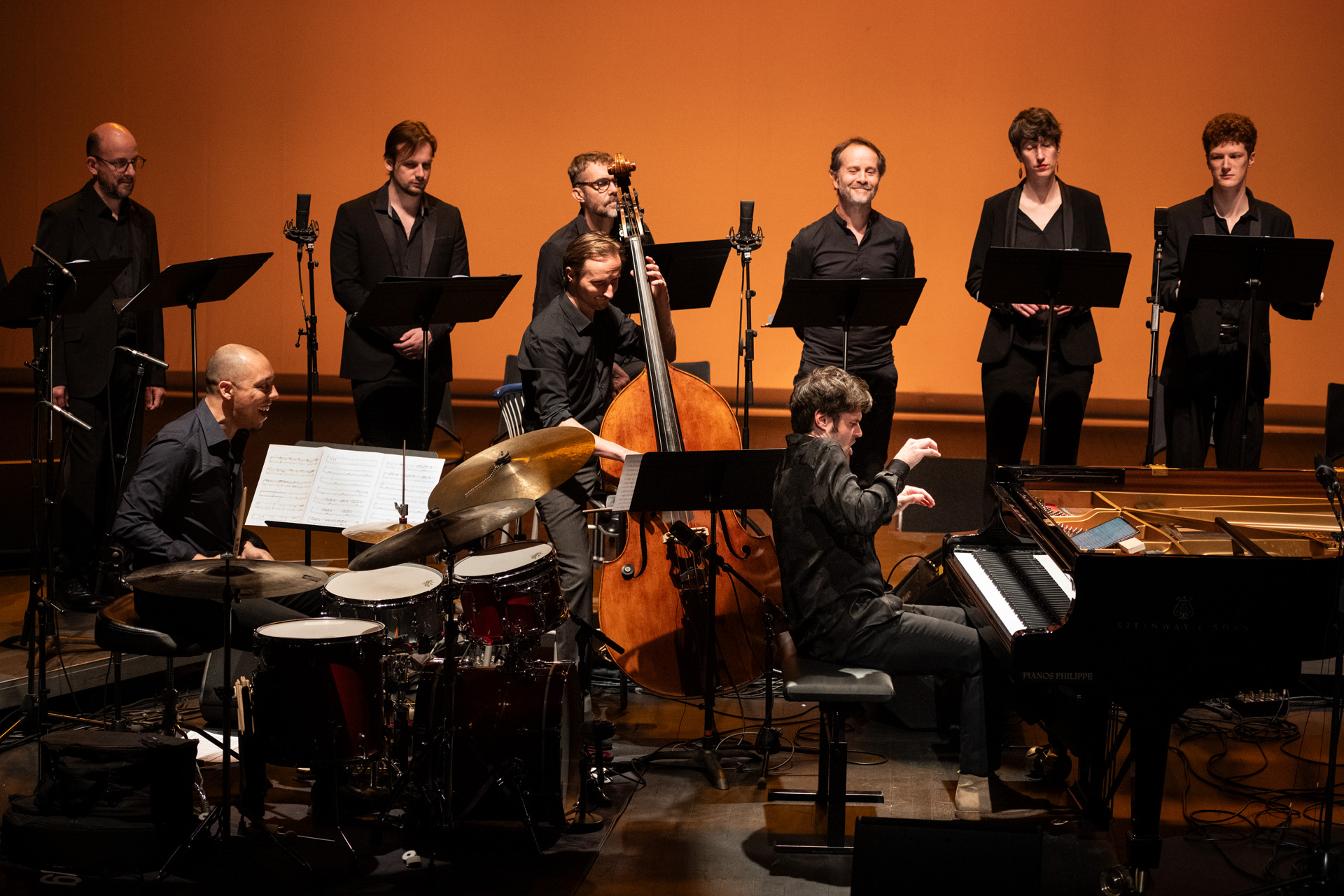
For 17 singers and jazz trio (piano, doublebass and drums)
90 minutes
 20:00
20:00
Waves of light - PAul Lay - Teaser
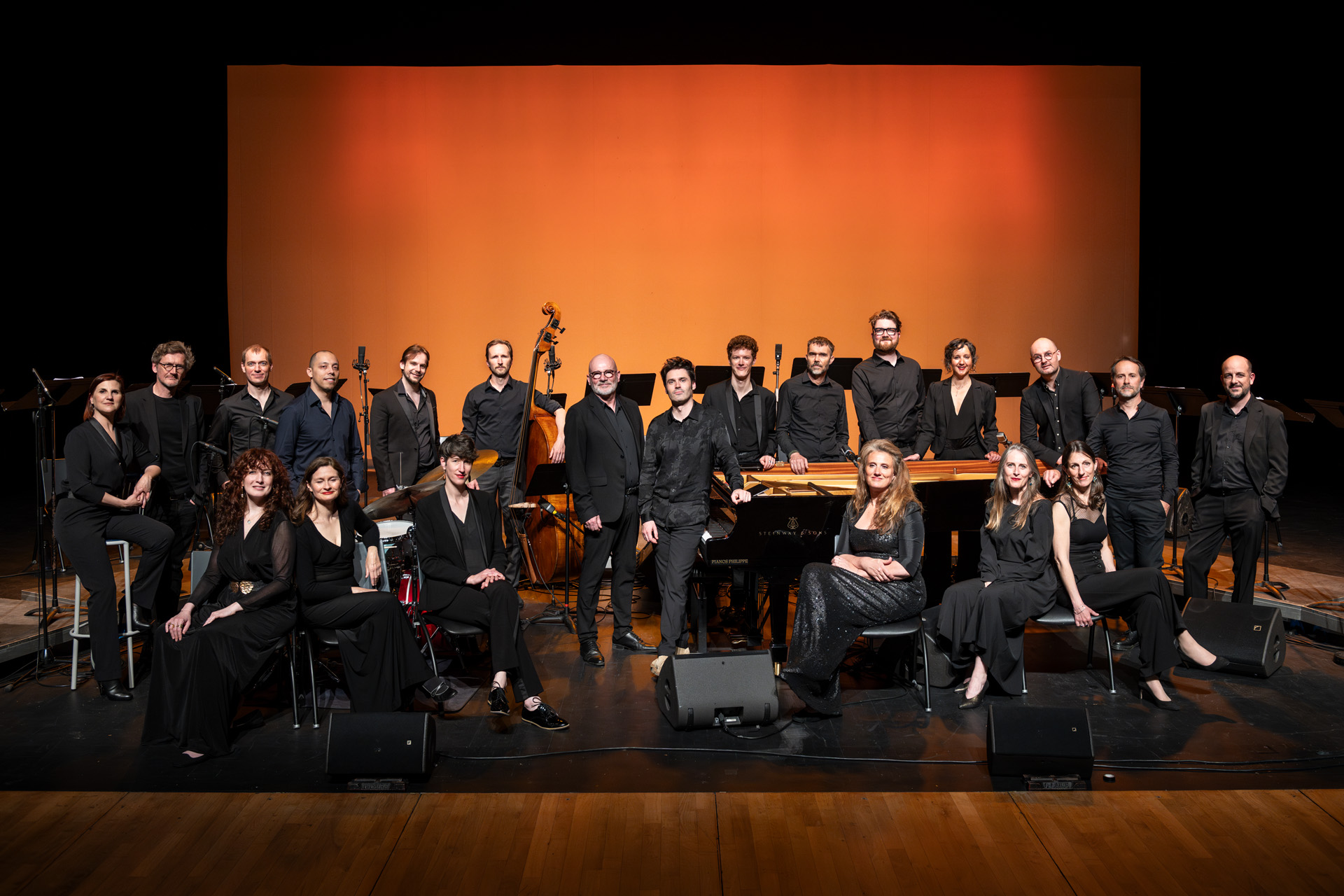
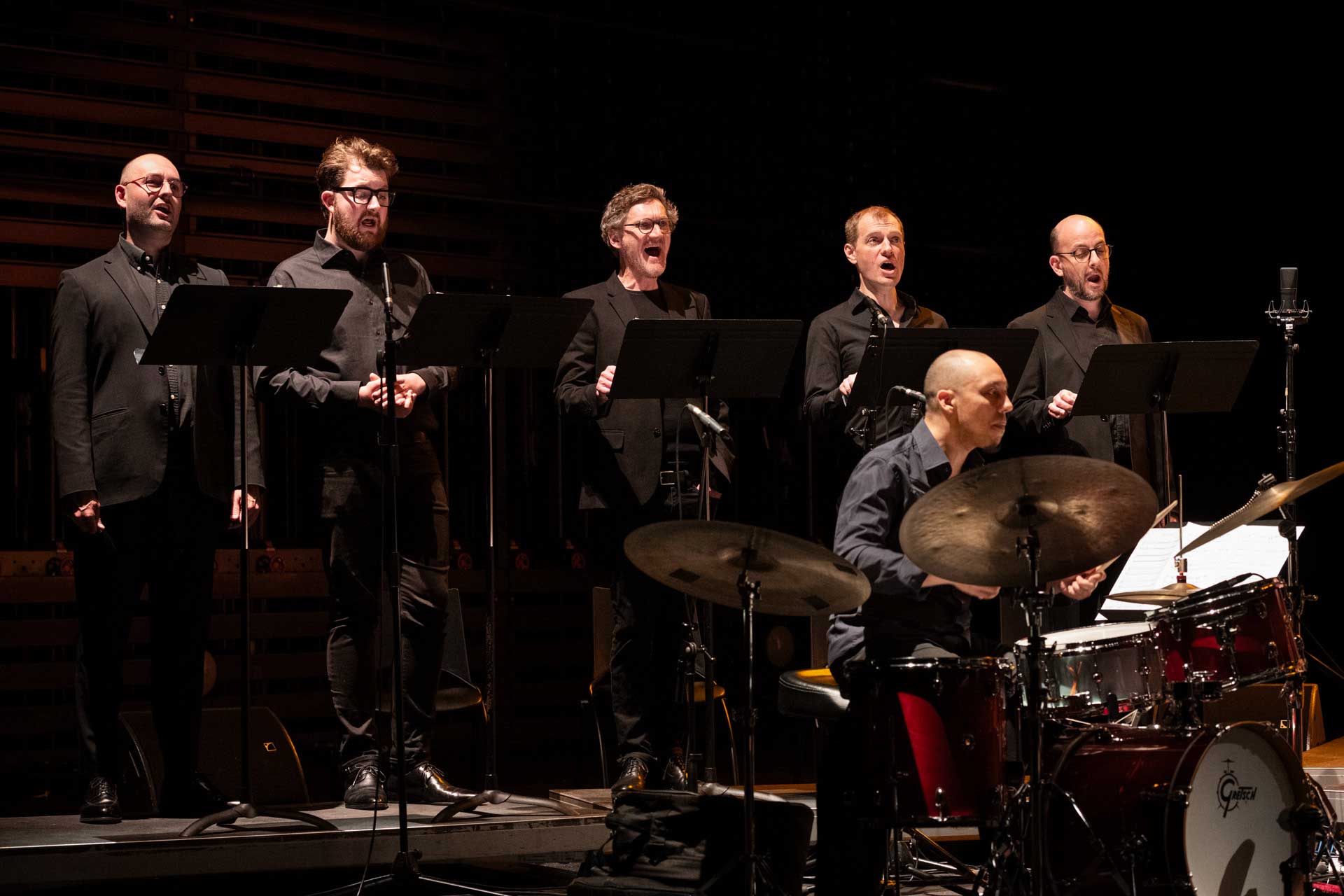
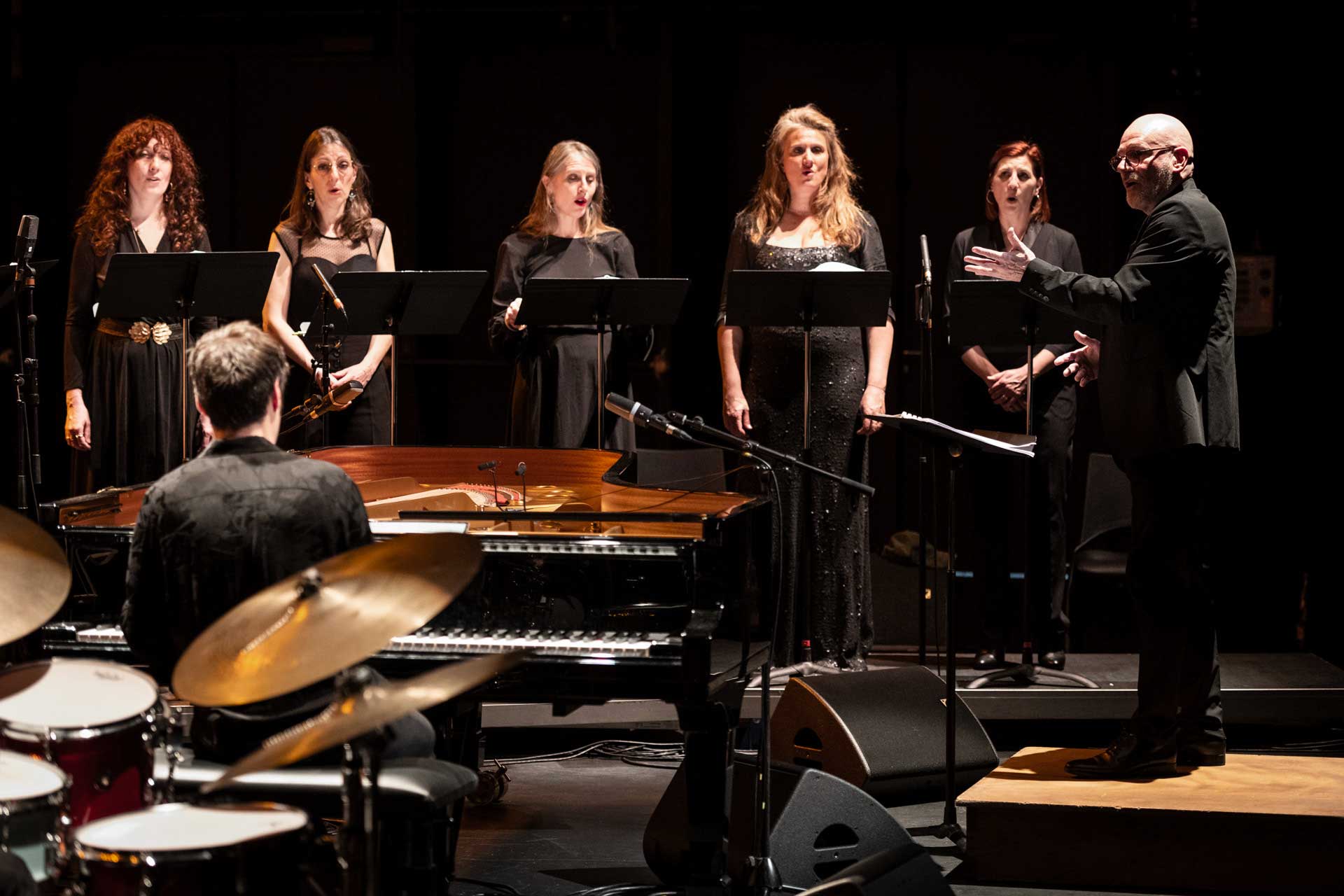
This new programme was born from the meeting between Paul Lay and Joël Suhubiette and their desire to bring their two musical worlds together: that of the Chœur de chambre Les Éléments, which, since 1997 and under Joël Suhubiette’s direction, has explored five centuries of a cappella music, while also performing oratorios and opera; and that of Paul Lay, whose musical culture is shaped by both the Western classical tradition and the African-American tradition, from jazz and blues to swing and gospel.
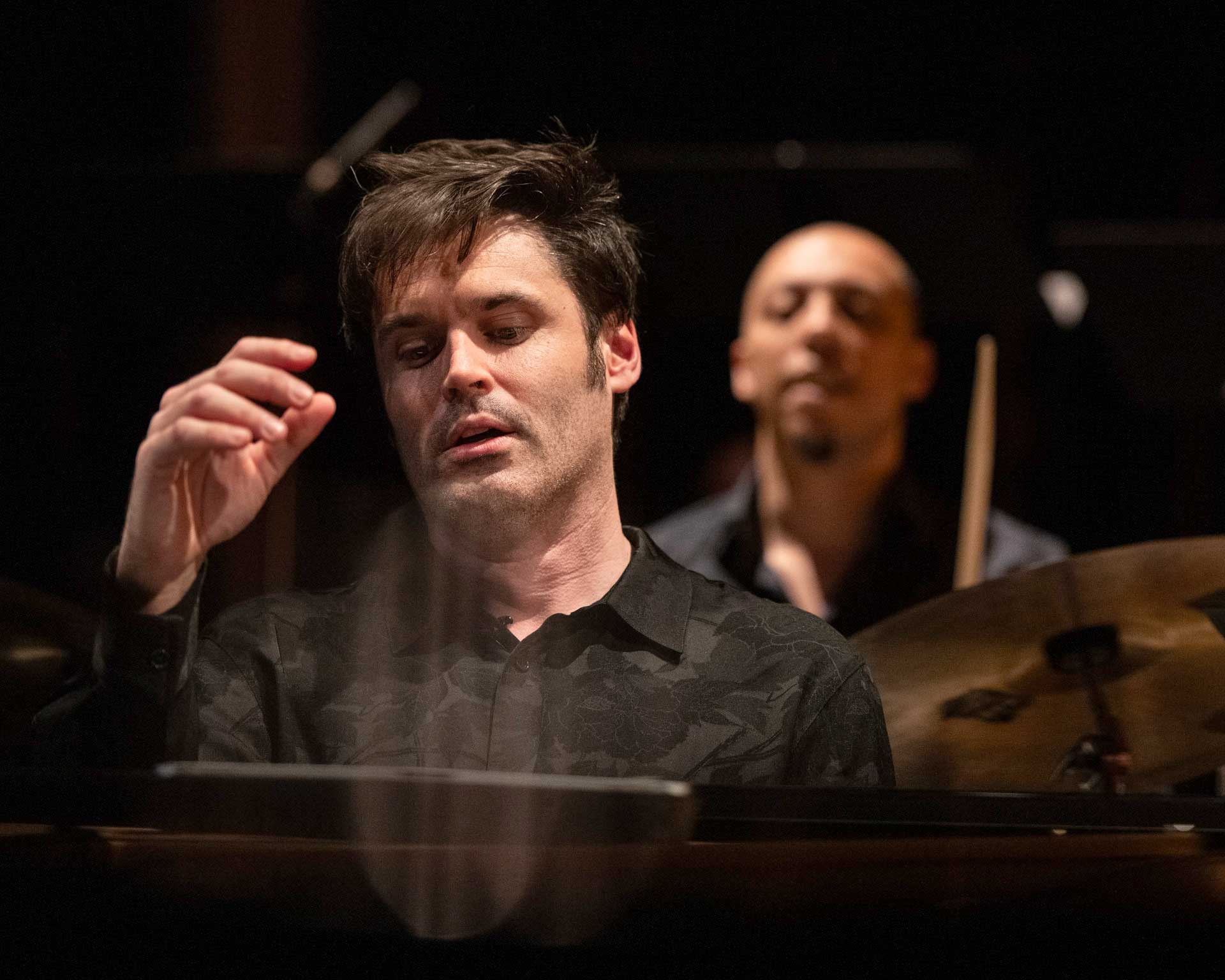
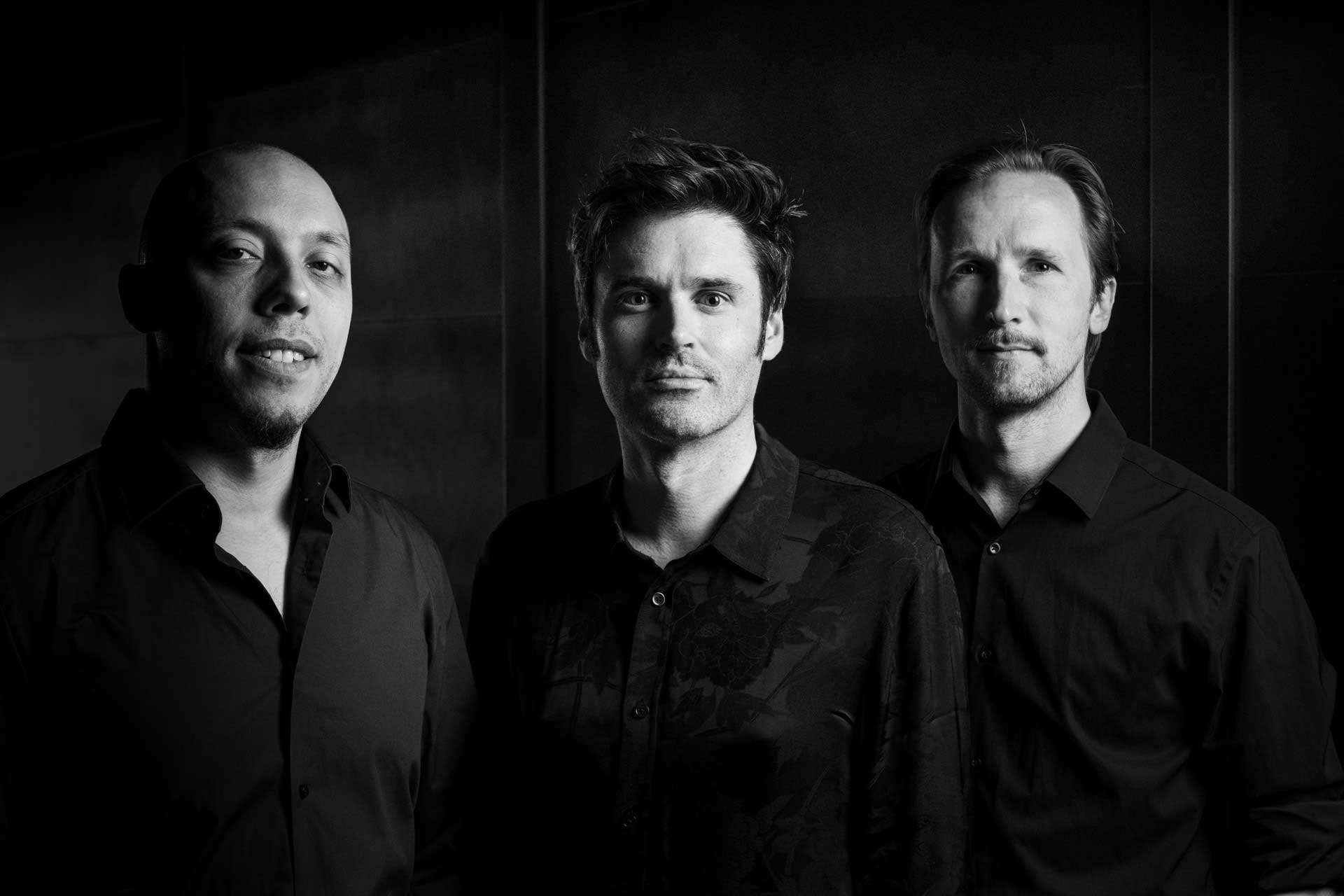
Here, Paul Lay has composed new works for choir and jazz trio, and improvises on masterpieces of the choral repertoire, illuminating them with new colours alongside the other two members of his trio, Donald Kontomanou on drums and Clemens Van Der Feen on double bass.
Paul Lay sets poems by Emily Dickinson, Victor Hugo and Pablo Neruda to music, and revisits selected works from the Les Éléments repertoire — from Purcell and Bach to Ligeti.
programme
Compositeurs
Oeuvres
Interview
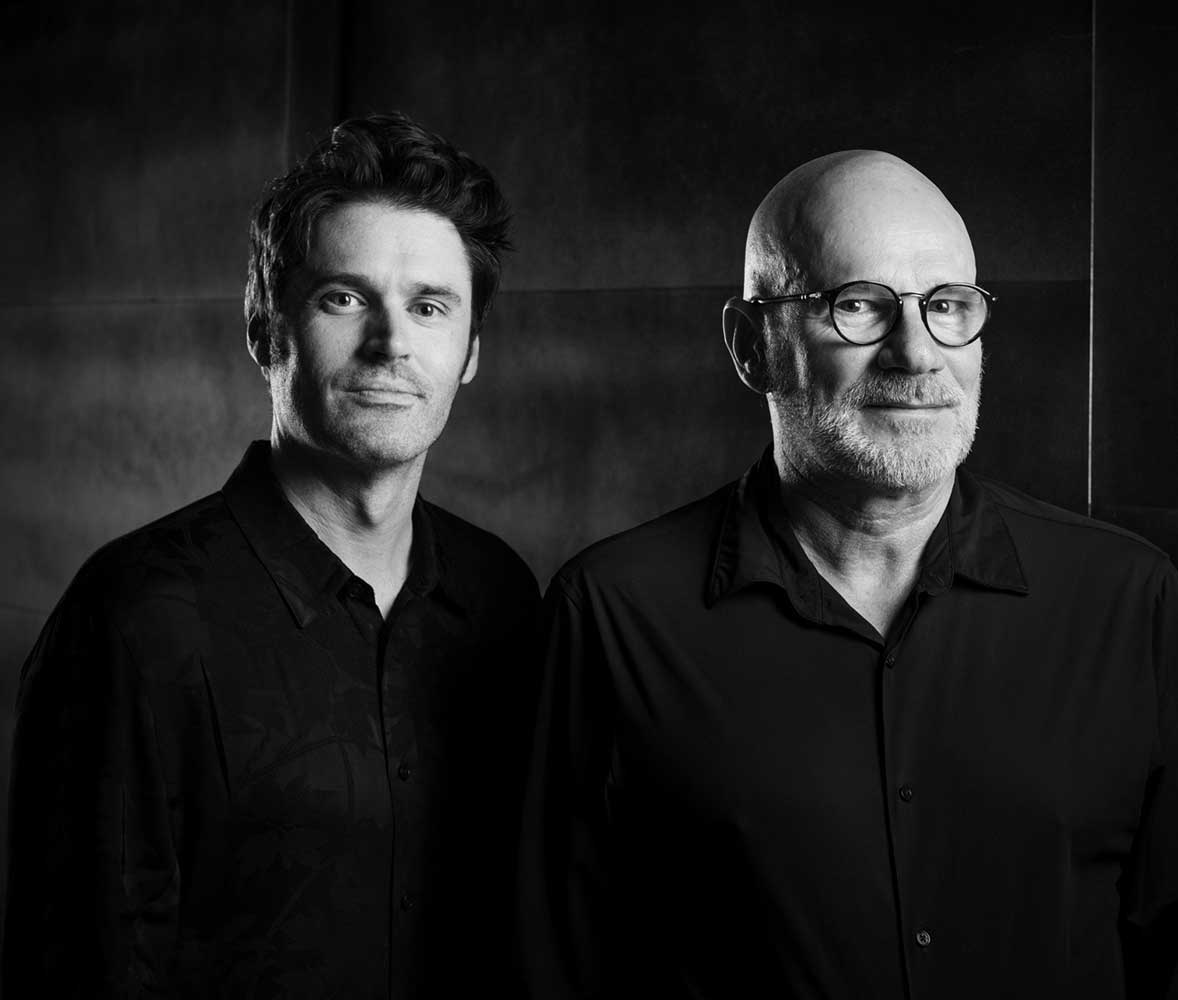
Three questions for Paul Lay
How do you envision this programme?
After several months of fruitful exchanges with Joël Suhubiette and many listening sessions together, the repertoire gradually took shape around a theme connected with light. Divine and sacred light, but also inner light, and consequently the shadows it reveals. The idea is to travel through more than 700 years of vocal music through the prism of our two ensembles: Les Éléments and my jazz trio — piano, double bass and drums. Our aim is to open up new spaces by bringing together our two worlds, jazz and choral music, composition and improvisation.
We will draw on works ranging from Purcell and Bach to Ligeti. Alongside these reinterpretations, I will compose several original pieces for this entirely new combination of forces. I will also set several poems to music, including works by Emily Dickinson, Victor Hugo and Pablo Neruda.
What does the voice represent in your musical world?
The voice is fundamental. It is the instrument we all share, and it is through its vibrations, colours and endless variations that I have been moved since I was very young. My relationship with music therefore began with the voice, with all the songs I heard on the radio. My ear was constantly drawn to melodic lines.
After a few years of playing the piano, I realised that when I could hear internally what I was playing — or sing it aloud — I would memorise it accurately and for a long time. As an improviser, my relationship with singing is an intimate one: everything I play or improvise on the keyboard is sung internally or hummed at the same time. This is also what I teach my students: if you can accurately sing the melody that comes to you, it becomes easy to reproduce it on your instrument.
What is your relationship with the music of the past?
The more experience I gain, the more I feel the need to return to the sources of the music I play and love. I believe we have a debt to the past. We have a responsibility to study and understand our musical heritage, which is shaped by both continuity and rupture. The music of the past is an infinite source of spiritual nourishment from which we must draw in order to keep our imagination fertile.
It allows us to develop a distinctive artistic voice, to stand by our choices and sometimes even to understand them better. It is an essential creative force that enables us to project ourselves more fully into the music of our own time.
A question for Joël Suhubiette
How did this adventure unfold for you and the choir? How did you approach this project?
Meeting Paul Lay and his jazz trio was a fascinating experience and took us into territory we had never explored before. The ensemble enjoys travelling into unknown territory. Immersing ourselves actively in the world of jazz — which most of us had previously known only as listeners — was a new experience.
There was never any question of turning us into a vocal jazz ensemble; that is not where our expertise lies, nor was that the aim. Paul knew how to make use of the choir’s sound, its experience in contemporary music and its flexibility in moving between different styles, creating genuine bridges between our identity as a “classical choir” and his jazz trio.
At certain moments, we encounter a style of writing in which the relationship between text and music is not so far removed from the repertoire we are accustomed to. But Paul also often uses the voices without text, drawing on a wholly instrumental approach that could be described as a “vocal big band”.
As a connoisseur of early music, Paul has even woven tributes to Purcell, Bach and Ligeti into the concert. But it is his composition “Waves of Light” that provides the programme’s main structure — a true gift to the choir, offering us pieces that move between exuberance, virtuosity, tenderness and melancholy. A joy!
"Ombres et lumière" extrait de "Waves of light" de Paul Lay
dans la presse
Waves of light, matière vivante de jazz et de chœur.
Quels que soient les thèmes en défilement le chœur toulousain dans ses variations d'intensité et de couleurs sonore évolue telle une masse mobile, malléable, fluide. Renforcée de par le mode de direction tout de précision, de finesse et de présence affirmée de la part de Joël Suhubiette, chef chevronné s'il en est. […]
Compositeur
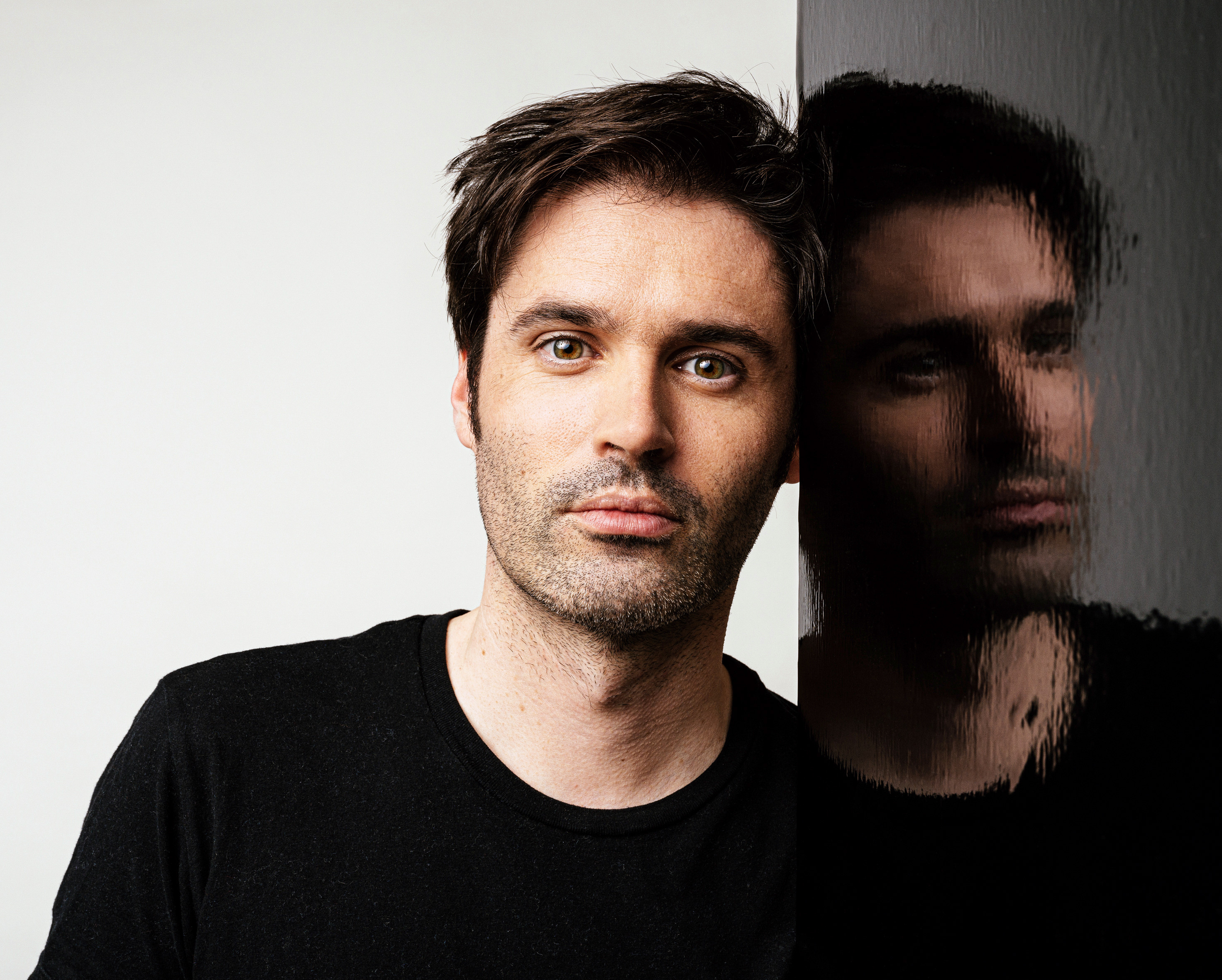
Pianiste aux multiples facettes musicales, son jeu singulier s’est nourri de nombreuses collaborations aux formats originaux. Après des études au CNSM, Paul Lay enchaîne depuis 10 ans les tournées aux quatre coins du monde et les prix prestigieux (notamment le prix Django Reinhardt en 2016, et les Victoires du Jazz en 2020 pour le meilleur artiste instrumental).
En septembre 2022, Paul Lay intègre l'équipe pédagogique du Conservatoire National Supérieur de Musique et de Danse de Paris en tant que professeur de piano jazz.
Paul Lay fait partie de cette génération mutante qui a grandi un pied dans le classique, un pied dans le jazz, et comprend la vérité inhérente à chacune de ces traditions.
Sa discographie personnelle (7 albums) est largement saluée par la critique. En 2021, il sort son premier disque en piano solo consacré à des relectures originales d’œuvres de Beethoven ; "Full Solo" reçoit l’accueil enthousiaste du public et de la presse, l’album se hisse en tête des ventes Fnac dans la catégorie Jazz/Blues.
En 2021, avec "Bach’s Groove" il crée un hommage vibrant au père de la musique, dont l’écriture considérée comme la plus rythmique de toutes, a inspiré nombre de musiciens de jazz.
Avec les Eléments, c’est une nouvelle aventure à laquelle Paul Lay se livre à travers ses relectures originales et singulières des musiques du répertoire.
"Paul Lay est le plus brillant pianiste de jazz de sa génération". Le Monde
Photos
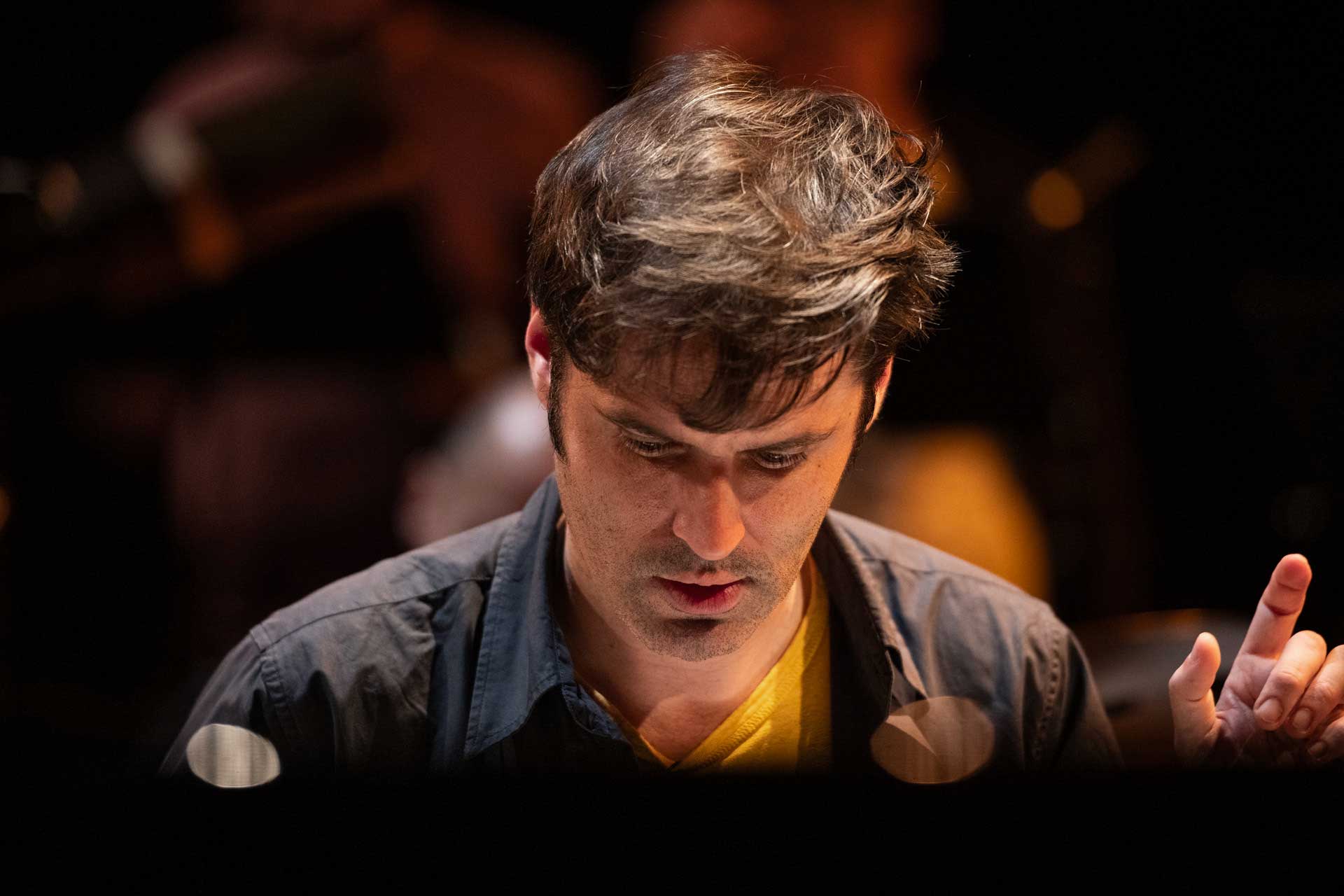
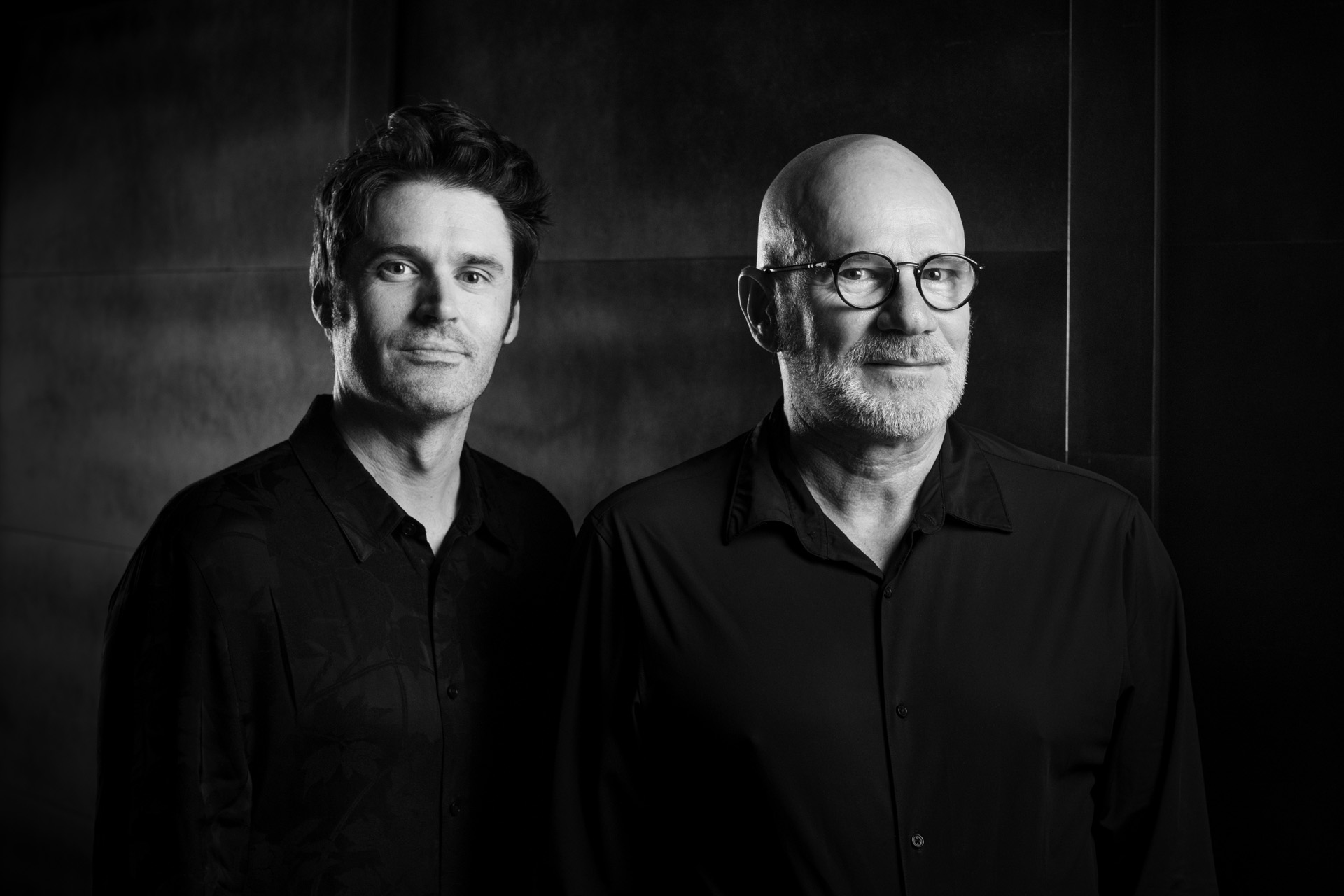
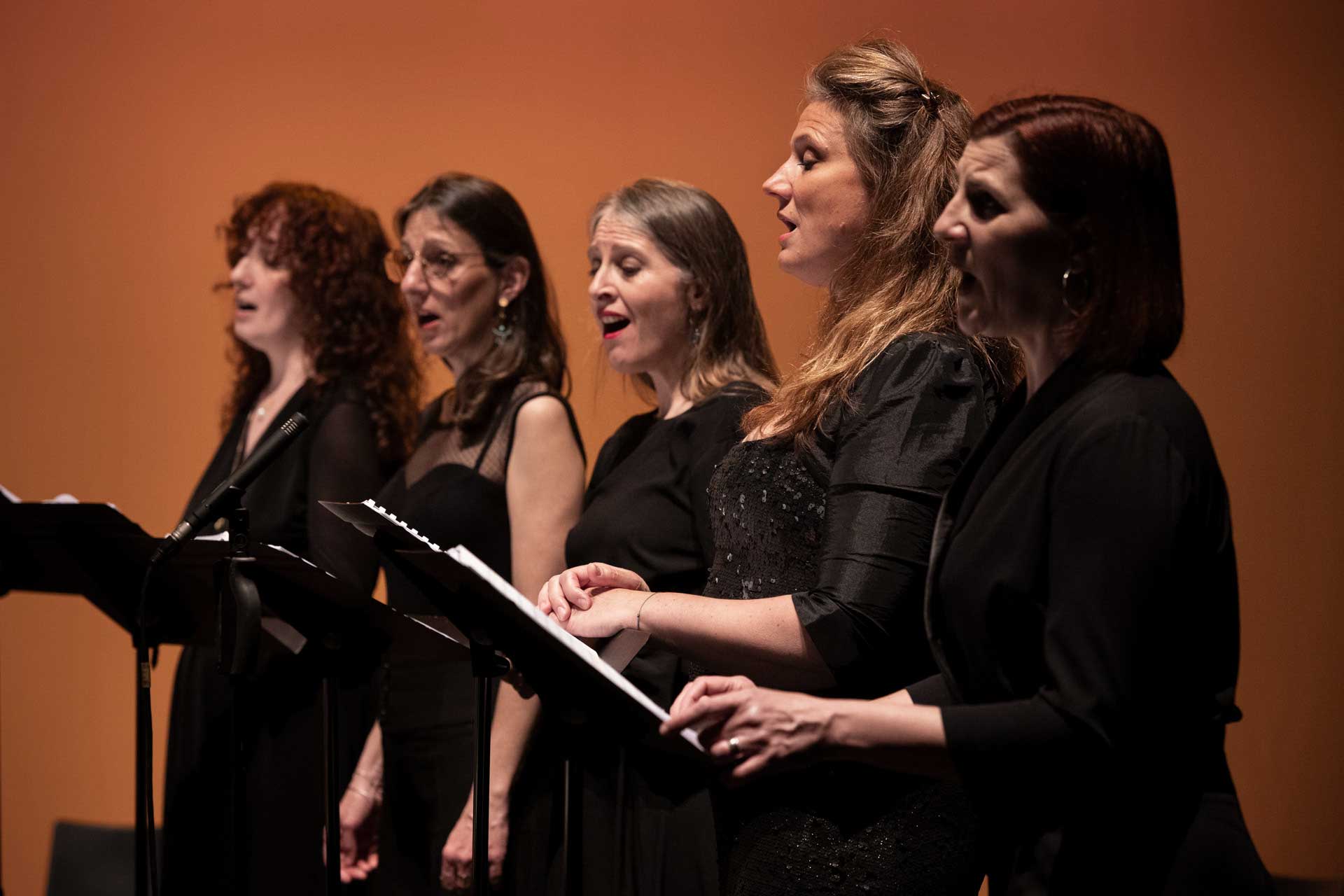

Rencontre autour de Waves of Light - par Marine Gacogne