

 X (ex Twitter)
 Facebook
 Linkedin
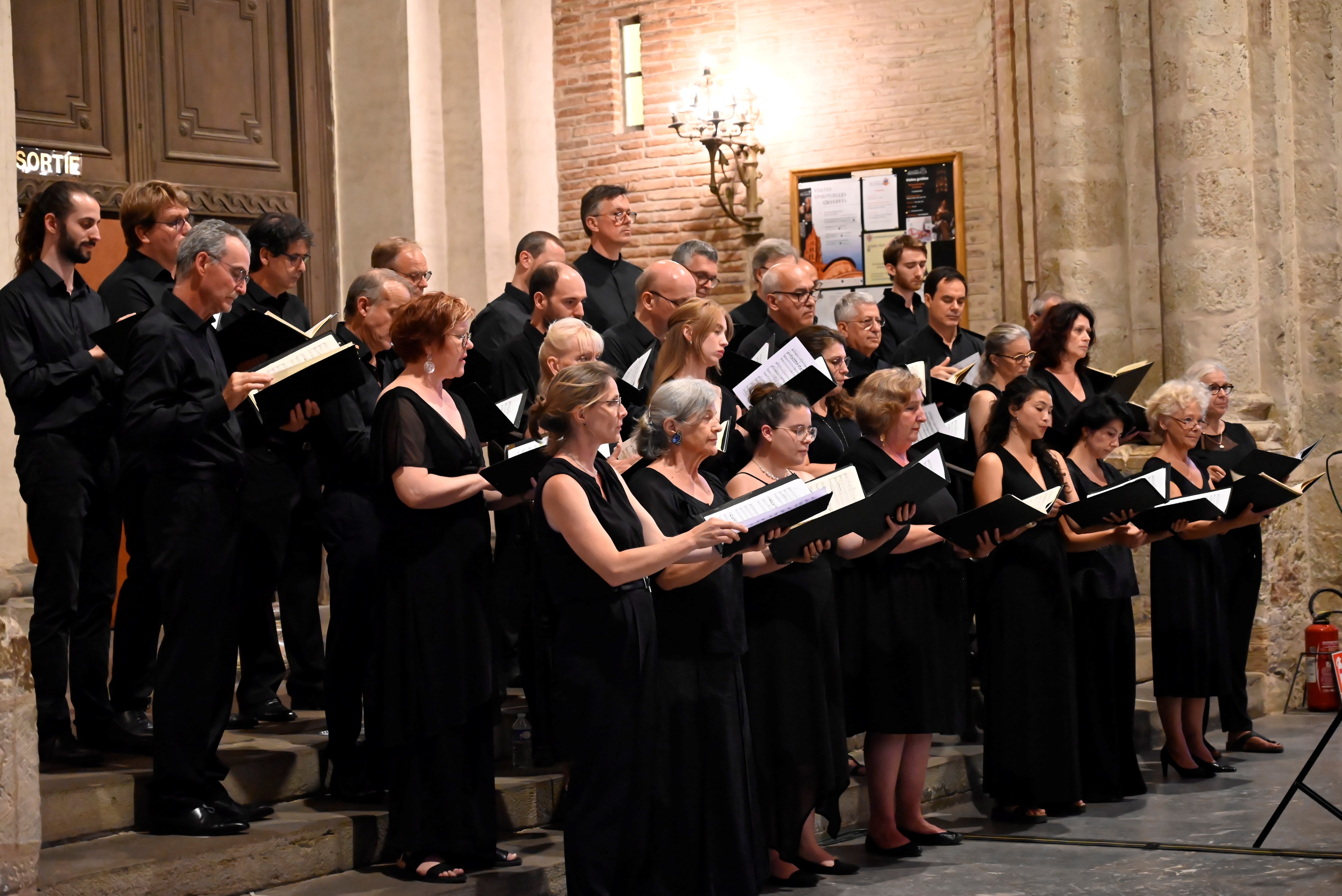
Every summer, Les Éléments – National Centre for Vocal Art opens the doors of its summer academy to singers from a variety of backgrounds: music students, teachers and experienced amateurs, all united by a shared passion for choral singing.
In 2021, Les Éléments launched a partnership with Toulouse les Orgues as part of the festival’s “Quartiers d’été” programme, focusing on transcriptions for choir and organ of the great requiems in the repertoire. The first edition provided an opportunity to commission Shin Young Lee to create a transcription for organ and harp of Saint-Saëns’ Requiem. The following year, the choir of the National Centre for Vocal Arts’ Summer Academy delighted in performing Martin Focke and Andreas Köhs’ transcription of Mozart’s Requiem, conducted by Claire Suhubiette, with William Fielding at the organ. In 2023, another masterpiece of choral art – Duruflé’s Requiem, in a transcription by the composer himself – was honoured in a memorable performance at the Basilica of Saint-Sernin, with Michel Bouvard at the organ. In 2025, to bring this cycle of transcriptions to a close, Joël Suhubiette chose to perform Desenclos’s Requiem, originally written for orchestra in 1963, of which Alfred Desenclos himself created a version for solo organ.
For the 2026 edition, under the direction of Joël Suhubiette, artistic director of Les Éléments, participants will spend five days exploring a vast panorama of English choral music. This ambitious programme will span several centuries of musical history, from the refinements of the English Renaissance with Thomas Tallis to the great figures of the 19th and 20th centuries such as Charles Villiers Stanford, Gustav Holst, Ralph Vaughan Williams, Herbert Howells and Benjamin Britten, not forgetting the distinctive voice of the contemporary composer Judith Weir.
The selected repertoire bears witness to the extraordinary richness of the British choral tradition. Sacred and secular works interplay in a succession of contrasting moods: the intense spirituality of the liturgical pieces by Howells and Britten; the expressive depth and compositional mastery of Tallis’s polyphonic works; the poetic delicacy of Gustav Holst’s Part-Songs and Vaughan Williams’s songs inspired by English folklore; and the luminous modernity of Judith Weir. Singers will be required to tackle both a cappella works and the interplay between the choir and the organ.
This stylistic diversity is one of the academy’s great strengths, but also one of its greatest challenges. Precise intonation, mastery of vocal balance, the quality of phrasing, attention to the English language and the constant pursuit of timbres suited to each historical period are the focus of in-depth study. The academy thus offers an intensive immersion in the choral repertoire, closely aligned with the artistic standards upheld by the professional ensemble Les Éléments.
The work carried out throughout the week will culminate in the closing concert, to be held on 15 July 2026 at 7.00 pm at the Temple du Salin, whose grand organ – built in 2004 by organ builder Jean Daldosso – provides the ideal setting for this programme thanks to its exceptional sound quality. The organ part will be performed by Yves Rechsteiner, director of the Toulouse les Orgues festival, partner of the concert.
This event will give the audience the chance to discover the fruits of this musical and human adventure, founded on sharing, collective commitment and the pursuit of artistic excellence.
Au Programme
Thomas Tallis (1505-1585)
Remember O Lord god
Lamentations of Jeremiah (extrait)
Charles Stanford (1852-1924)
The Blue bird (Part songs op 119-3)
Ralph Vaughan Williams (1872-1958)
Easter Hymn
The Springtime of the year (English folk songs op)
Gustav Holst (1874-1934)
Part songs:
The Autumn is old
Winter and the birds
Herbert Howells (1892-1983)
Collegium Regale Service
Kyrie
Sanctus
Agnus Dei
Jubilate
Benjamin Britten (1913-1976)
A Hymn to Saint Columba
Agnus Dei (Missa brevis op63)
Judith Weir (1954)
Vertue. I
Drop down, ye heavens, from above
About the composers
Thomas Tallis (1505–1585)
A leading figure of the English Renaissance, Thomas Tallis occupies a central place in the history of British music. Serving in the Royal Chapel under four successive monarchs, he navigated the religious upheavals of sixteenth-century England by adapting his compositional style to the requirements of first the Catholic and then the Anglican liturgy. His work is distinguished by the richness of its counterpoint, the expressive beauty of its vocal lines and a profound spiritual intensity. Regarded as one of the founding fathers of the English school, he exerted a lasting influence on several generations of composers.
Charles Villiers Stanford (1852–1924)
An Irish composer, conductor and teacher, Charles Villiers Stanford played a key role in the revival of British music in the late 19th century. As a professor at the Royal College of Music in London, he taught, amongst others, Gustav Holst and Ralph Vaughan Williams. His catalogue includes symphonies, operas, chamber music and a substantial body of choral works. As a heir to the German Romantic tradition, he developed an elegant and masterful musical language, particularly evident in his sacred works and part-songs. His music remains a mainstay of the English choral repertoire to this day.
Ralph Vaughan Williams (1872–1958)
A leading composer of the 20th-century English musical revival, Ralph Vaughan Williams left a profound mark on the history of British music through his commitment to folk heritage and the choral tradition. Trained notably by Charles Villiers Stanford and Maurice Ravel, he developed a personal musical language that blends modality, lyricism and harmonic richness. Fascinated by traditional English folk songs, which he began collecting early in his career, he incorporated them into many of his works. His catalogue includes symphonies, operas, chamber music and a vast vocal and choral repertoire. His work, which is both deeply national and universal, remains one of the most significant in modern English music.
Gustav Holst (1874–1934)
Gustav Holst is regarded as one of the most influential English composers of the early 20th century. Best known for his orchestral suite *The Planets*, he was also interested in choral music, the English folk repertoire and non-European musical traditions, particularly those of India. A teacher for much of his career, he maintained close ties with Vaughan Williams and played a part in the British musical revival. His personal style combines clarity, a sense of rhythm and a quest for original harmonic colours. His choral works reveal a great sensitivity to the text and the voice.
Herbert Howells (1892–1983)
An English composer and organist, Herbert Howells is one of the leading figures in 20th-century sacred music. Trained at the Royal College of Music under Charles Villiers Stanford, he developed a refined harmonic language, characterised by a rich palette of colours and intense expressiveness. His work is deeply rooted in the Anglican tradition, and he revitalised liturgical composition through numerous services and anthems that have become staples in British cathedrals. His famous *Collegium Regale* perfectly illustrates the balance between spirituality, lyricism and vocal subtlety that characterises his art.
Benjamin Britten (1913–1976)
A composer, pianist and conductor, Benjamin Britten is regarded as the leading figure in 20th-century British music. His body of work spans all genres, from opera to chamber music and large-scale choral works. Deeply committed to the voice, he composed numerous works for both amateur and professional choirs. His style combines formal clarity, melodic invention and dramatic expressiveness. As co-founder of the Aldeburgh Festival with the tenor Peter Pears, he made a decisive contribution to the international reputation of contemporary English music.
Judith Weir (1954–)
Born in Cambridge, Judith Weir is one of the most acclaimed British composers of her generation. Her work draws inspiration from folk traditions, legendary tales and ancient texts, which she reinterprets through a clear, inventive and accessible style of composition. Active in the fields of opera, orchestral music and choral music, she pays particular attention to the intelligibility of the text and vocal colour. From 2014 to 2024, she held the prestigious post of Master of the King’s Music, a testament to the important role she plays in contemporary British musical life.
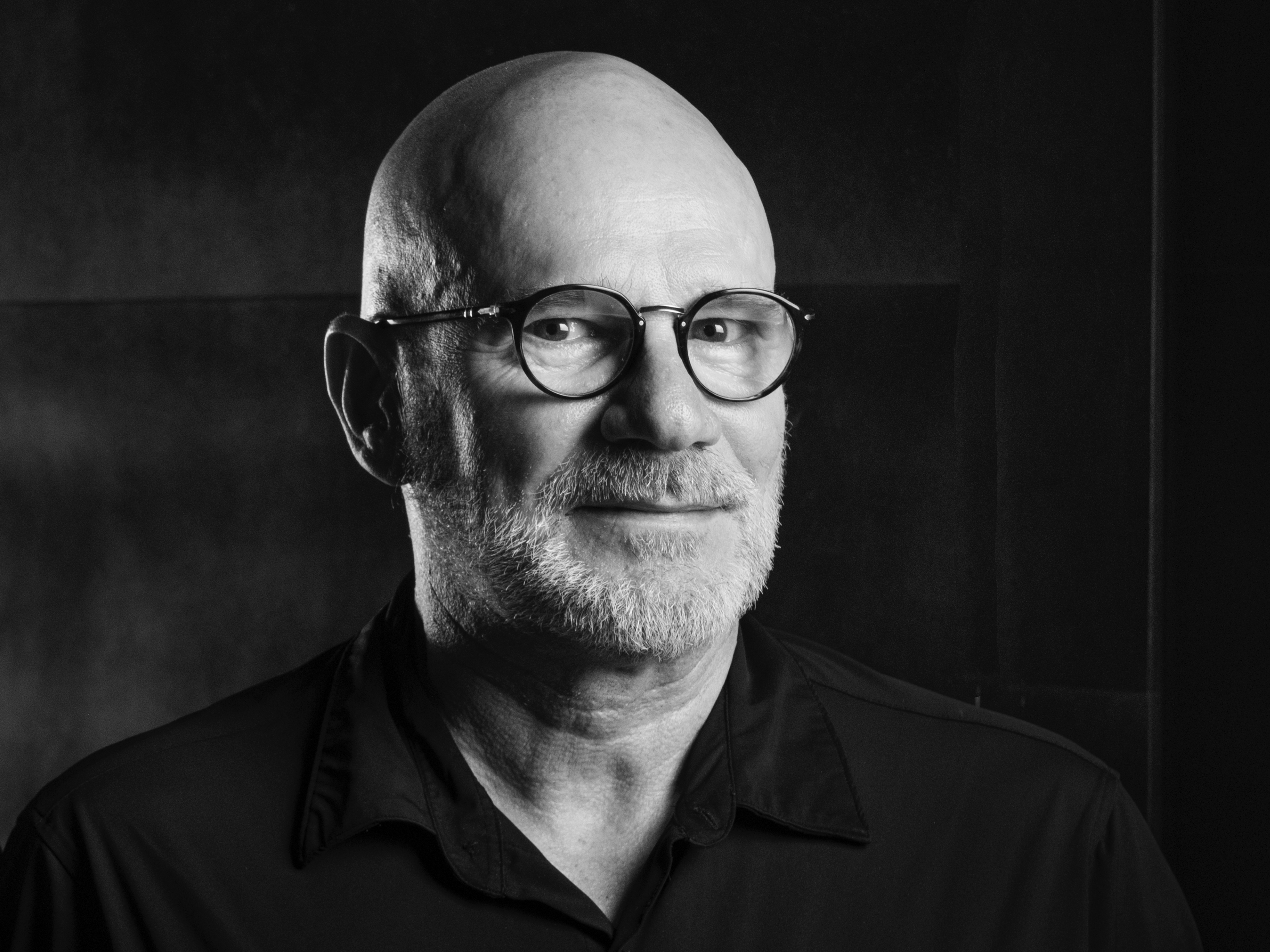
Du répertoire a capella à l’oratorio, de la musique de la renaissance à la création contemporaine, en passant par l’opéra, travaillant en relation avec des musicologues, allant à la rencontre des compositeurs d’aujourd’hui, Joël Suhubiette consacre l’essentiel de son activité à la direction de ses ensembles, le chœur de chambre toulousain les éléments qu’il a fondé en 1997 et l’ensemble Jacques Moderne de Tours dont il est le directeur musical depuis 1993.
Depuis plus de 25 ans il est tout particulièrement à l’initiative de nombreuses commandes passées aux compositeurs et compositrices, notamment dans le répertoire a capella, et il s’investit à faire rayonner ces œuvres nouvelles au concert comme au disque.
Avec ces œuvres d’aujourd’hui, comme avec le répertoire ancien de la renaissance et du baroque, Joël Suhubiette a enregistré plus de 35 disques pour les labels Virgin Classics, Hortus, Calliope, Ligia Digital, Naïve, Mirare et l’Empreinte digitale.
Avec ses deux ensembles il est présent sur les principales scènes et festivals français, et est invité dans de nombreux pays d’Europe ainsi qu’en Amérique du Nord et du Sud, Afrique du Nord, Moyen-Orient et Asie.
Joël Suhubiette interprète également l’oratorio et l’opéra avec de nombreux orchestres et ensembles instrumentaux français (Café Zimmermann, Les Percussions de Strasbourg, Ars Nova, Concerto Soave, Les Passions, Les Ombres, Orchestres des opéras de Dijon et de Massy, Orchestre National du Capitole de Toulouse…).
Joël Suhubiette a été nommé Officier des Arts et des Lettres par le ministère de la Culture.
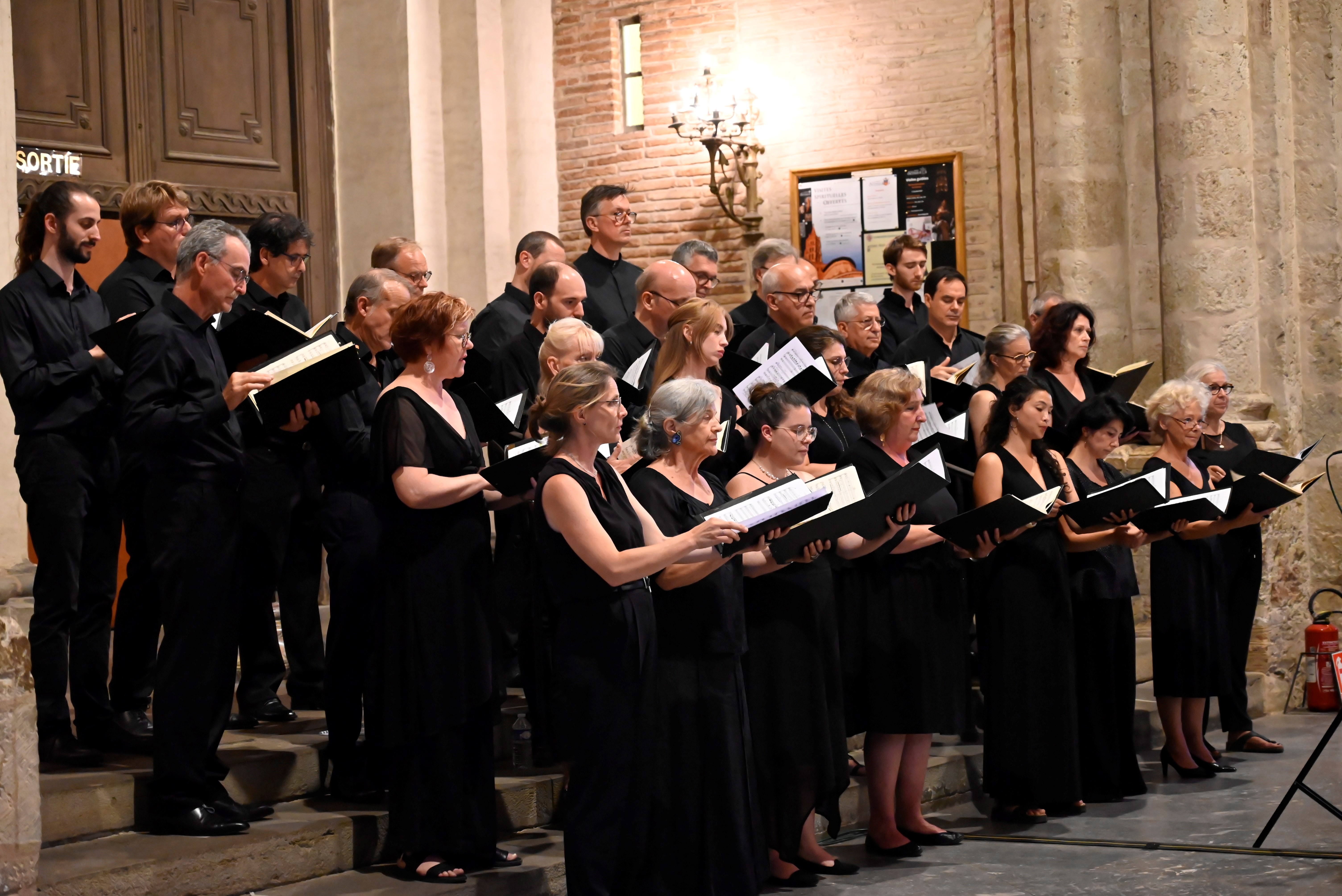
Depuis sa création en 1997, sous l’impulsion de son directeur artistique Joël Suhubiette, le Chœur de chambre Les éléments s’est affirmé comme l’un des principaux acteurs de la vie chorale française et poursuit un projet musical exigeant, construit autour des missions essentielles dans le domaine de l’art vocal, telles que le rayonnement du répertoire notamment a cappella, de la musique ancienne à la musique contemporaine, la transmission et l’insertion professionnelle, les actions d’éducation artistique et culturelle, et le partage des ressources. Saluant et encourageant cet investissement au service de l’art vocal, le Ministère de la Culture a désigné le Chœur de chambre Les éléments, Centre d’Art Vocal pour la région Occitanie, dans le cadre de son programme national pour le rayonnement de l’art vocal.
Dans cette dynamique de transmission, Joël Suhubiette, s’investit entre autres dans l’accompagnement de la pratique amateur à travers les projets d’Archipels, l’atelier vocal des Éléments et les académies d’été, sous sa direction ou celle de chefs invités. Les sessions réunissent de vingt à quarante chanteurs amateurs de haut niveau – étudiants en musicologie et des conservatoires, enseignants, chanteurs amateurs possédant une solide formation vocale et musicale – autour d'un travail musical exigeant, lors des académies, véritables aventures musicales et humaines fondées sur le partage, l’engagement collectif et la recherche de l’excellence artistique.
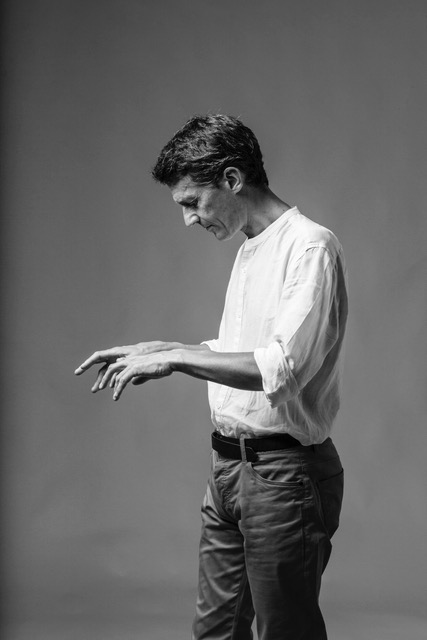
Né en Suisse, Yves Rechsteiner est formé à l’orgue et au clavecin à Genève et à Bâle. Lauréat de plusieurs concours internationaux, il enseigne depuis 1995 la basse continue au CNSMD Lyon, dont il a dirigé le département de musique ancienne jusqu’en 2014.
Ses programmes de concert sont principalement constitués de ses propres arrangements d’oeuvres classiques ou rock: Rameau, J.S.Bach, Mozart, Berlioz, Frank Zappa…
Amateur de rencontres musicales variées, il a collaboré avec des musiciens venus de divers univers musicaux (traditionnelles, jazz, classique, baroque)
Depuis 2014 il dirige le festival Toulouse les Orgues où il impulse une ouverture vers tous les styles musicaux incluant les musiques actuelles ou électroniques.
Il joue en duo depuis 2005 avec le percussionniste H.C Caget, et en trio avec le guitariste électrique F. Maurin. Il collabore également avec la contorsionniste Liste Pauton dans le spectacle Bach Metamorphosis.
Il a fait construire un orgue transportable, l’Explorateur, afin d’élargir la diffusion de projets avec orgue à tuyau.
Son travail de transcription est diffusé par les Edition YR.